
When is the best time for a safari in Tanzania?
The Best Time for a Safari in Tanzania?
While Tanzania has popular tourism seasons, the best time to visit also depends on your preferences. Read on to find your ideal season based on your interests and travel style.
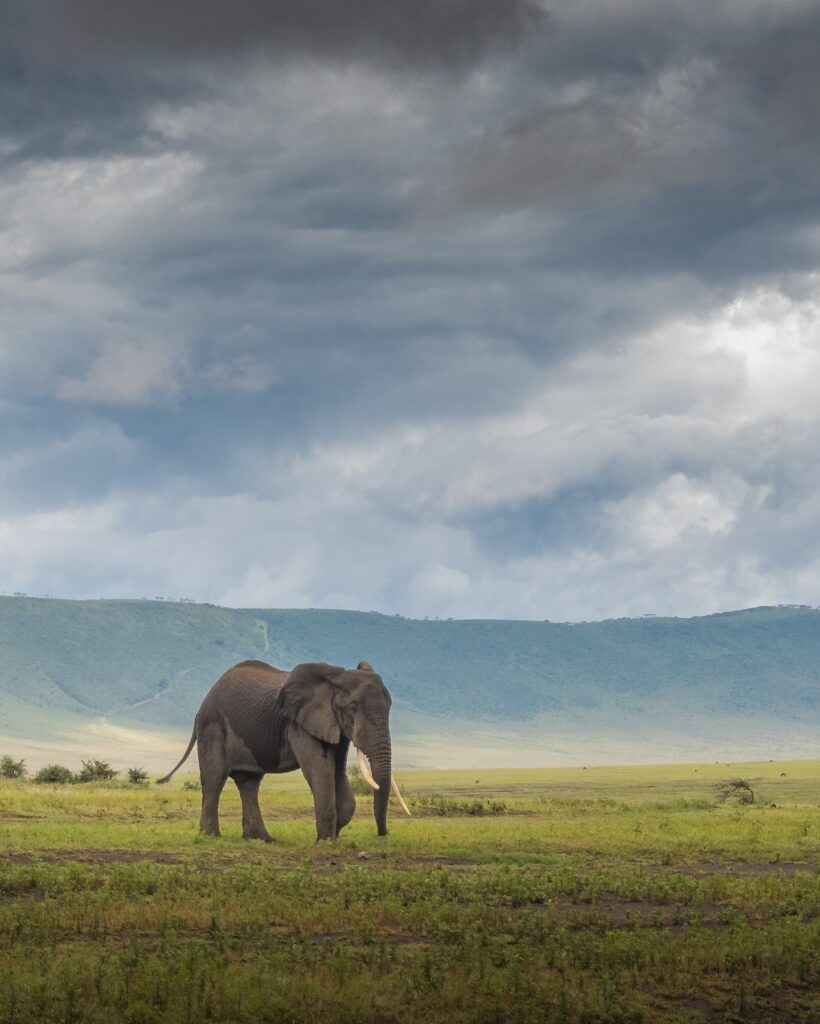
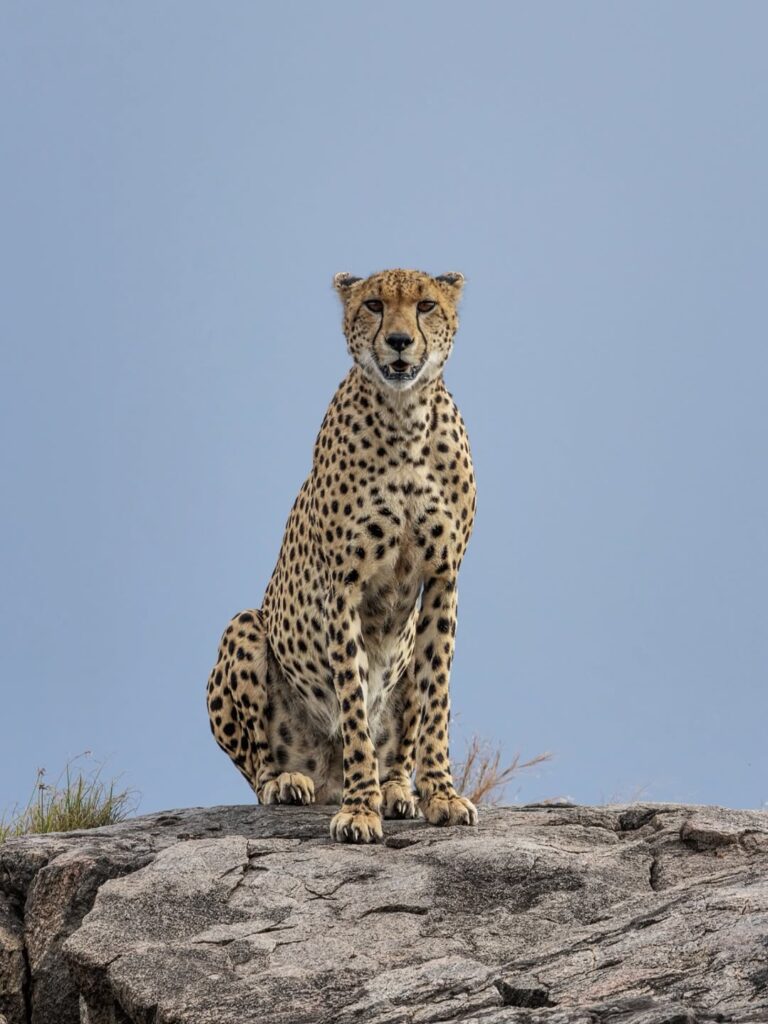
Weather is key
Unlike destinations with traditional summer, winter, fall, and spring, Tanzania’s location near the equator and the Indian Ocean gives it equatorial and tropical weather.
Tanzania has two main seasons: the wet season (rainy) and the dry season (sunny and sometimes hot). Each has its advantages and drawbacks, detailed below.
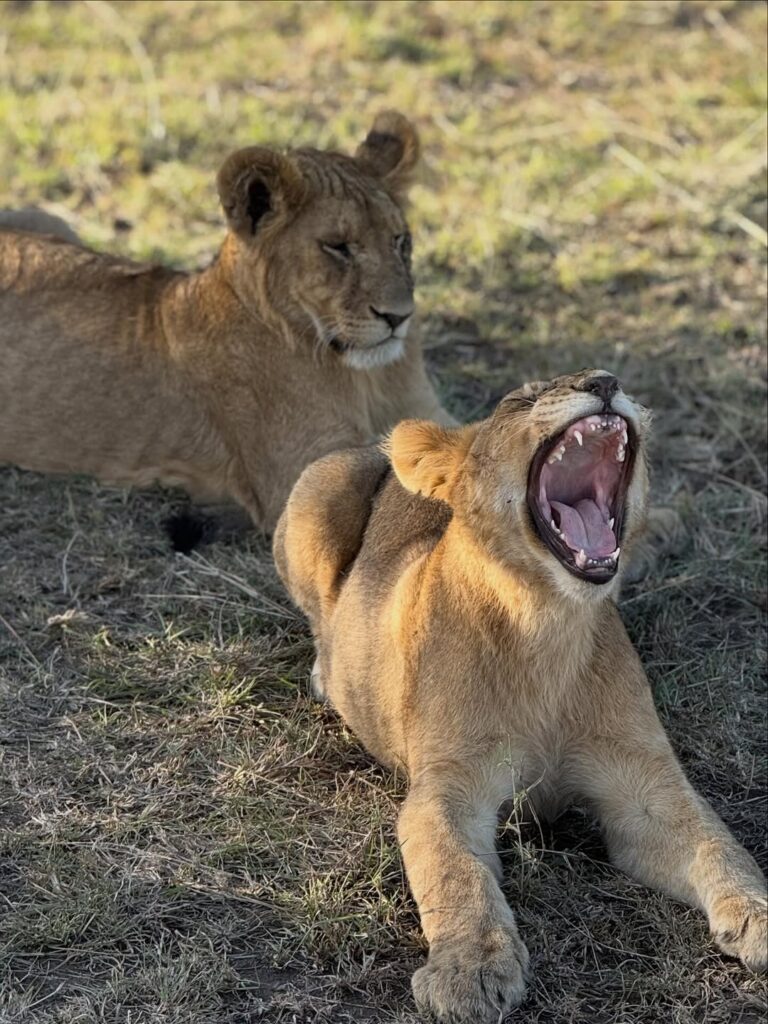
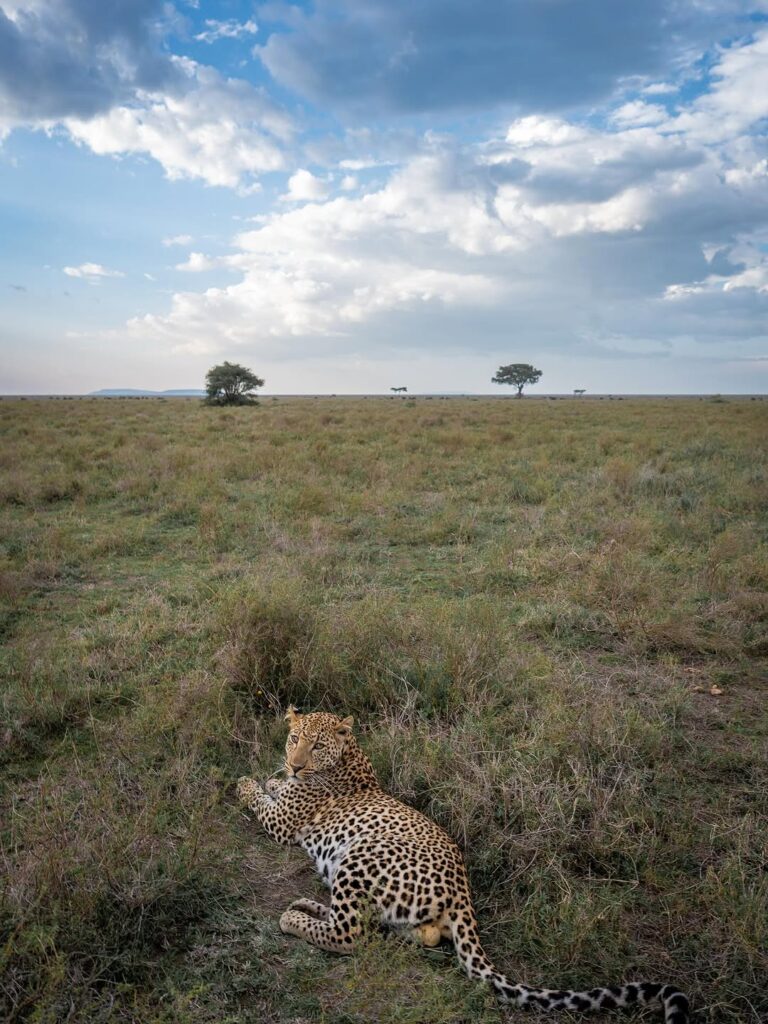
When planning your safari, remember that Tanzania’s weather generally follows these seasons, but it’s common to have sunny afternoons after morning rain in the wet season and occasional rain during the dry season.
The seasons in Tanzania
January - March
These months are Tanzania’s hottest, peaking in February, and generally dry making it a popular time for safaris. Parks can feel crowded, especially around New Year.
Wildlife gathers around rivers and lakes as other water sources dry up. Tarangire National Park is a highlight, with zebras and gazelles at the Tarangire River, followed by predators like lions and leopards.
March - May
This is Tanzania’s long rainy season, with rain in the mornings and evenings, but usually sunshine in the afternoons. The rains turn the parks lush and green, and wildlife is active with plenty of water.
Some rough park roads may be difficult due to mud or flooding, though main and paved roads, including in Ngorongoro, remain accessible.
Tourist numbers are lower, and many lodges offer low-season discounts. For those who don’t mind morning showers, this season offers a quiet, intimate safari experience with vibrant wildlife in green landscapes.
June - September
This is Tanzania’s cool, dry season. Mornings can be chilly bring a jacket but afternoons are sunny and pleasant.
It’s a popular time for safaris, with many visitors in the national parks and excellent wildlife-viewing conditions.
October - December
Short rains fall between October and December, with warmer weather toward year’s end. October brings the blooming jacaranda trees, and in December, Flame Trees turn vibrant red.
Christmas is a popular time for tourists. Many plan special activities, like summiting Mount Kilimanjaro, and lodges may offer festive meals. Weather is usually ideal, though parks and accommodations can be crowded.
Great Migration
The Great Migration in Serengeti National Park is one of Tanzania’s top attractions. Each year, millions of wildebeest, zebras, and other animals move across the Serengeti, including epic river crossings at the Grumeti and Mara Rivers, attracting visitors worldwide.
For about two months (usually July–August), herds enter Kenya’s Maasai Mara, facing predators and river challenges before returning to Tanzania. The rest of the year, they remain in the Serengeti and parts of Ngorongoro, where they graze, mate, and give birth in the lush grasslands.
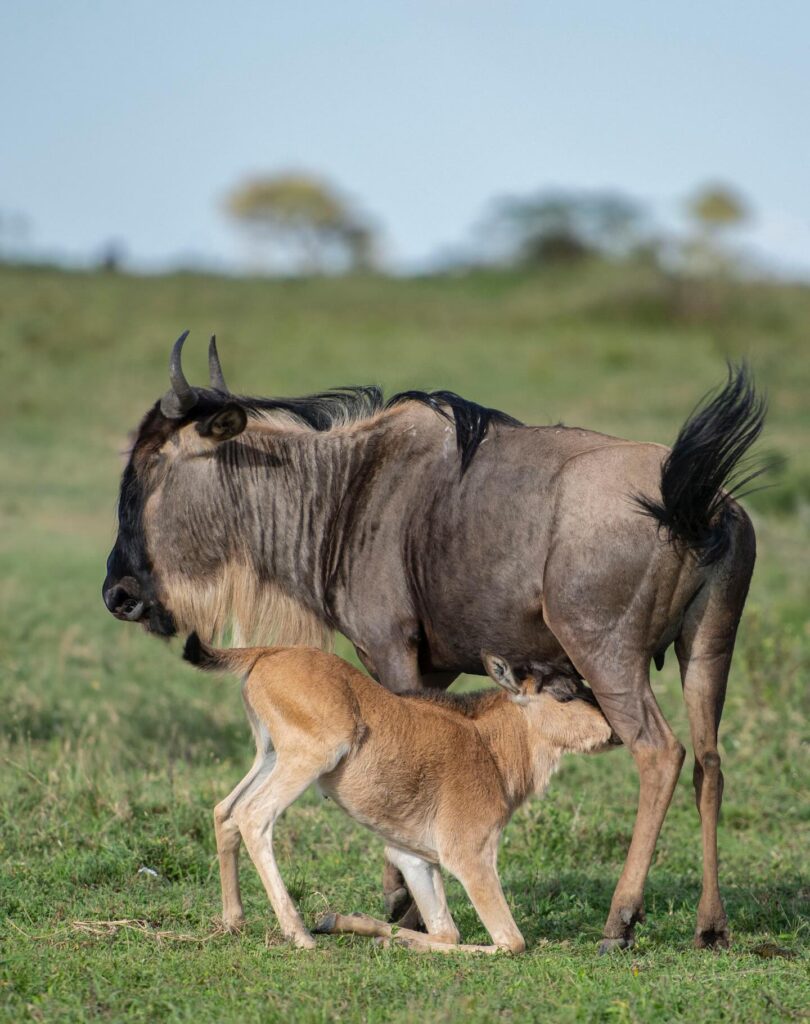
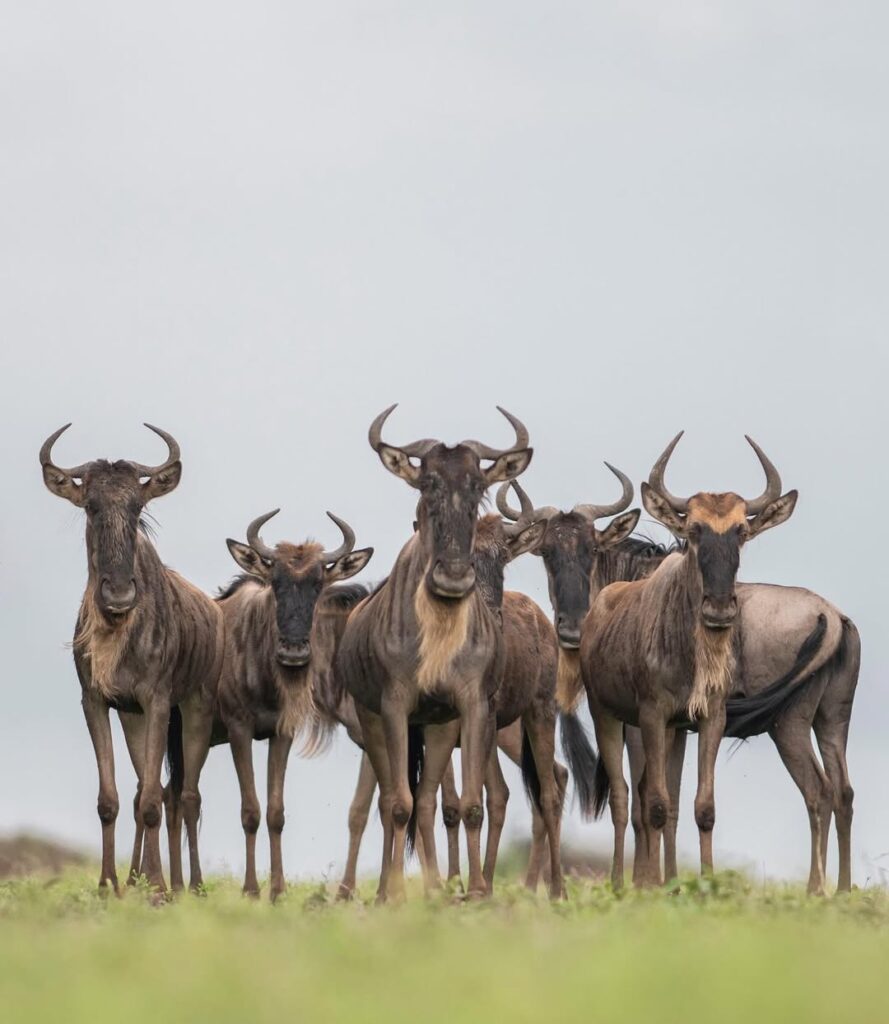
What causes the animals to continue to move around? The migration is driven by survival: wildebeest, zebras, gazelles, impalas, and elands move in search of water and fresh grass, followed closely by predators like lions, cheetahs, and leopards.
February: Calving season thousands of baby wildebeest are born, able to run shortly after birth.
March–April: Herds gather in Seronera, offering spectacular photo opportunities of animals grazing in lush landscapes.
May: Animals begin moving north, forming long columns and crossing rivers like the Grumeti, creating dramatic wildlife scenes.
July–early September: Witness the iconic Mara River crossings, where thousands of animals brave crocodile-infested waters — a breathtaking, adrenaline-filled experience.
The Great Migration is a continuous, year-round spectacle, with each phase offering unique opportunities to witness the power and beauty of the African savannah.
When is the best time to visit Tanzania?
Tanzania offers incredible safari experiences year-round, with the best time depending on your preferences. For a quiet, intimate safari with fewer crowds, visit during the wet season. If you want to see trees in full color and enjoy ideal weather, October and November are perfect. To witness the iconic Mara River crossings of the Great Migration, plan your trip for July or August.
Tanzania’s wildlife is constantly on the move, and its national parks are always alive with vibrant flora and fauna. Any month is a great time to visit choose what suits you best and prepare to be amazed by the stunning landscapes and thrilling wildlife of this remarkable country.